
Nervtek Education Girls Tech Camp 2026: Empowering Young Women Through Design, AI and Digital Creativity.
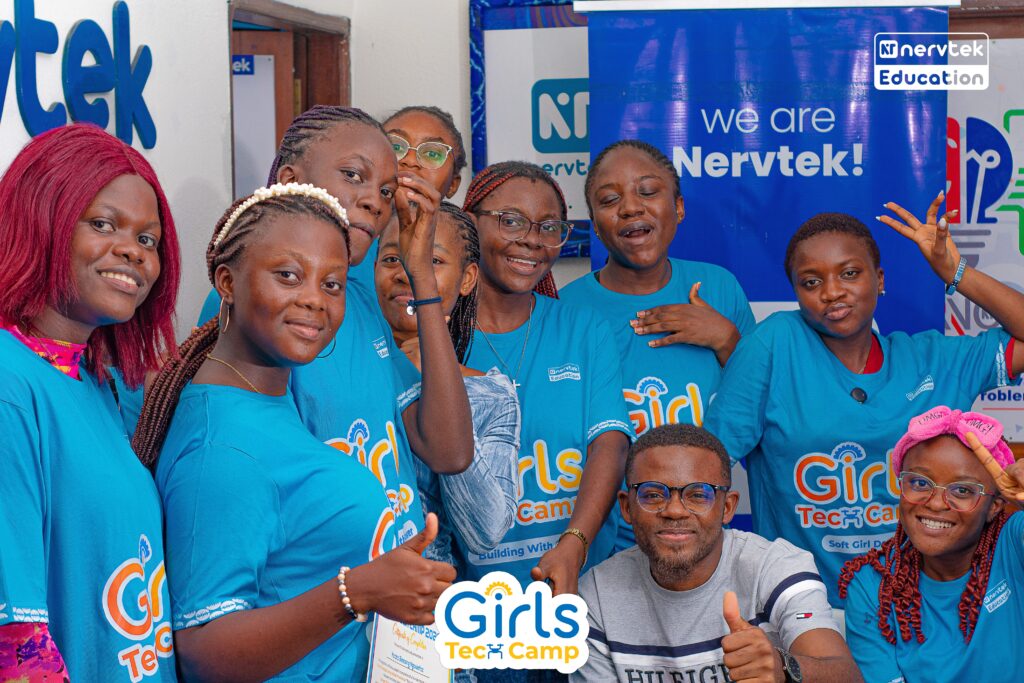
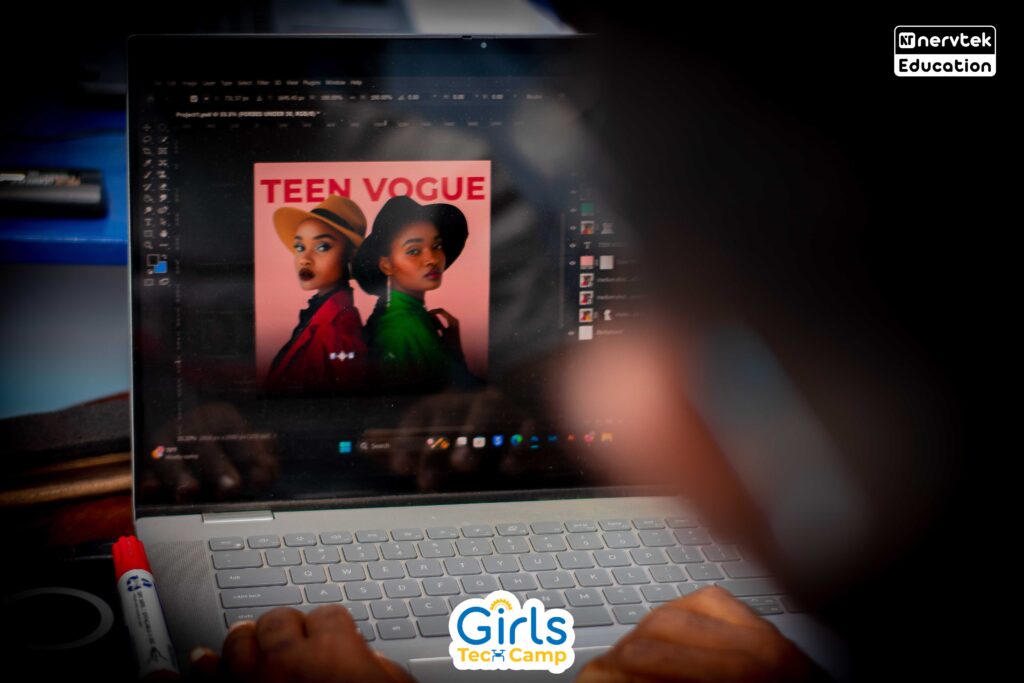
In celebration of International Women’s Day 2026, Nervtek Education organized the Girls Tech Camp 2026, a special initiative created to equip young girls with practical digital skills, creative exposure, and mentorship opportunities within the technology space. This year’s International Women’s Day was celebrated globally under the theme Rights. Justice. Action. For ALL Women and Girls, centered around Giving to Gain. This theme highlights the need for intentional efforts that create opportunities, access, and support for women and girls in all areas of development. In line with this vision, Nervtek Education chose to celebrate the occasion through action by creating a learning environment where girls could be trained, inspired, and exposed to the growing possibilities within design and digital innovation. Held in two phases, the camp brought together young girls from different backgrounds who were eager to explore the opportunities available in tech. Through both online and onsite sessions, participants were introduced to meaningful conversations, practical training, and collaborative activities that made the experience both educational and impactful. Laying the Foundation with the Online Session The first phase of the Girls Tech Camp began on the 9th of March 2026 with an online session hosted on Google Meet, which recorded an attendance of over 65 girls. The virtual session focused on conversations that were important for the personal and professional development of the participants. The first presentation was delivered by Miss Martha Agbornyenty, who spoke on maintaining good reproductive and mental health. Her session emphasized the importance of self-awareness, healthy living, and emotional wellbeing, reminding participants that growth in any career begins with taking care of oneself. Participants also had the opportunity to learn from Ngumih Fien, who shared her journey of transitioning from a student to a UI/UX designer. Her story gave the girls a clearer understanding of what it takes to build a career in the digital design field and encouraged them to see technology as a space where they too can grow. Another insightful session was led by Nana Lynn on personal branding and building an outstanding LinkedIn profile that attracts recruiters. Participants were guided on how to position themselves professionally online and how to make use of digital platforms to access career opportunities. These sessions gave participants the right mindset and motivation ahead of the physical training. Practical Learning at the Nervtek Maker Space The onsite phase of the program ran from the 24th to the 28th of March 2026 at the Nervtek Maker Space, with 13 girls taking part in an intensive five-day practical bootcamp. The training started with a session on creative thinking handled by Sir Arnold Sigala. Participants were introduced to the mindset of a designer and were taught how creativity plays a major role in solving problems and communicating ideas effectively. This was followed by sessions from Engr. Njita Arnaud on the principles and elements of graphic design. Here, participants learned the basics of good visual communication and were introduced to important concepts such as balance, contrast, typography, alignment, and color use. After understanding the theory behind design, the girls moved into the practical aspect where they were taught hands-on graphic design using Canva and Adobe Photoshop. This gave them the opportunity to create designs themselves while becoming familiar with industry relevant tools. Understanding AI in Design A major highlight of the camp was the session on Artificial Intelligence in Design, facilitated by Engr. Chung Ndansak. During this session, participants were introduced to how AI tools can assist graphic designers in idea generation, content creation, and improving workflow. They were shown that while creativity remains human, technology can make the design process faster, easier, and more effective when used correctly. This exposure helped the girls understand that the future of design is changing and that learning to work with modern digital tools is now an advantage. Group Challenge and Pitch Session To put everything they had learned into practice, participants were grouped into teams and given a flyer design task under the supervision of their instructors. Each team was given two hours to come up with a concept and produce a complete flyer using the principles and tools they had learned throughout the week. The exercise pushed them to think creatively, work together, and apply their new knowledge under time pressure. After the design session, the groups were asked to present and pitch their work. They explained their ideas, design choices, and the message behind each flyer. This part of the training helped to build confidence, communication skills, and the ability to defend creative decisions. It was clear from the challenge that the girls had made significant progress within just a few days of training. Closing on a High Note The final day of the camp was a memorable one as participants were awarded certificates and presented with branded T-shirts in recognition of their participation and commitment throughout the program. Beyond the certificates and souvenirs, the camp ended with smiles, photographs, shared excitement, and a visible sense of achievement from the participants. What started as a learning opportunity became a space where creativity was developed, confidence was built, and new interests in technology were awakened. Each participant left with more than just design knowledge. They left with practical exposure, inspiration, and a better understanding of the many possibilities available to them in the digital world. Creating Real Opportunities for Girls in Tech The Girls Tech Camp 2026 served as Nervtek Education’s practical contribution to this year’s International Women’s Day theme, proving that empowering women and girls begins with creating access to knowledge, tools, and supportive communities. By combining mentorship, wellness conversations, graphic design training, AI education, and teamwork, the program provided participants with an experience that was both educational and inspiring. As conversations around women’s empowerment continue globally, initiatives like this remain important because they move beyond advocacy and create visible impact. Through programs like the Girls Tech Camp, Nervtek Education continues to build spaces where girls can learn, create, and confidently prepare for the future.